Speed up to clear the crossing quickly B) Slow down and be prepared to stop C) Sound your horn to alert the pedestrian D) Change lanes to avoid the pedestrian
The Basic Theory Driving Test (BTDT) is a crucial assessment for individuals seeking to obtain a driving license in Singapore. The test evaluates a candidate's understanding of road safety, traffic rules, and regulations. To help aspiring drivers prepare for the test, we have compiled a comprehensive collection of 480 questions and answers in a convenient PDF format.
B) 2 seconds
Yield to oncoming traffic B) Stop and give way to all traffic C) Turn left or right D) Go straight ahead
What is the minimum safe following distance from the vehicle in front?
The Singapore Basic Theory Driving Test 480 questions and answers PDF document is an invaluable resource for individuals seeking to obtain a driving license in Singapore. With its comprehensive coverage, convenient format, and self-assessment features, this document is an essential tool for aspiring drivers to prepare for the BTDT and become safe and responsible drivers on Singapore's roads.
What does a red octagonal sign with the word "STOP" mean?
B) Slow down and be prepared to stop
Here are a few sample questions and answers from the PDF document:
1 second B) 2 seconds C) 3 seconds D) 4 seconds
B) Stop and give way to all traffic
MASSAGE
SEND
×The message has been sent!
In the near future we will reply to you.
Regards WDS
|
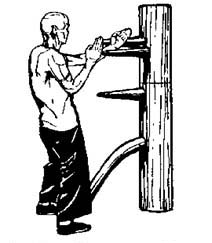
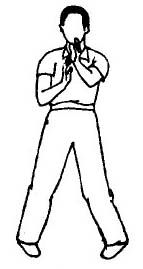
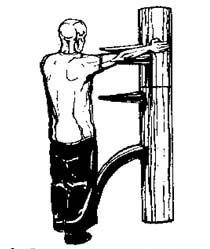
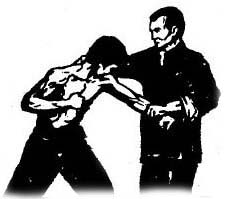
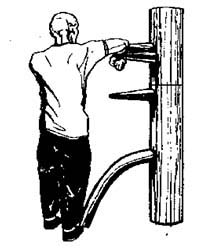
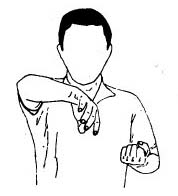
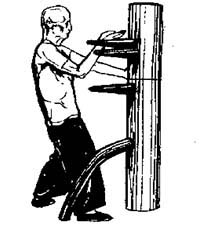
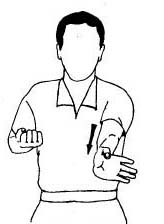
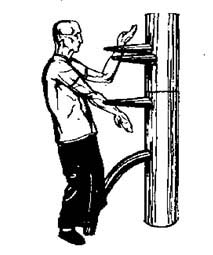
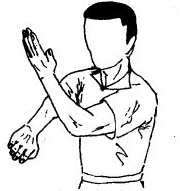
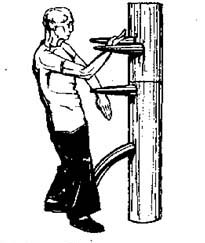
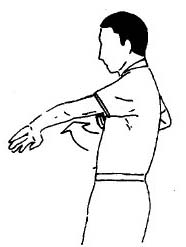
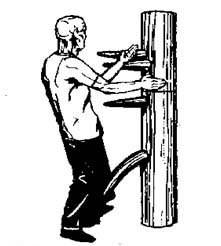
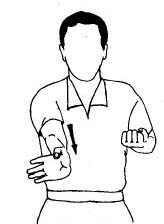
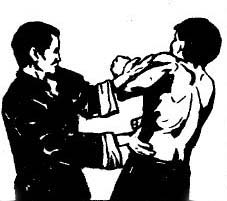
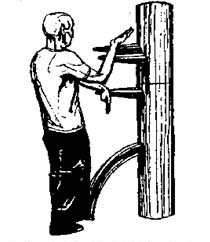
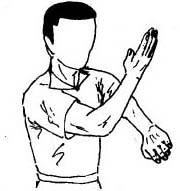
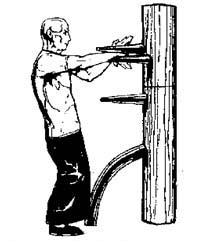
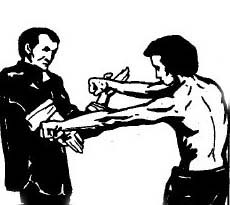
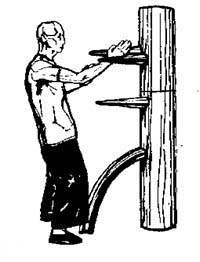
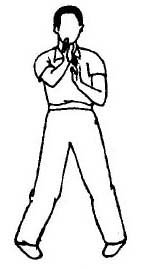
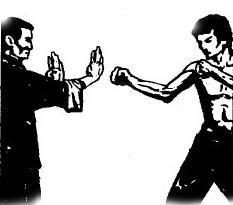
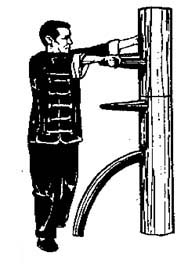
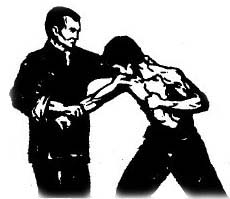
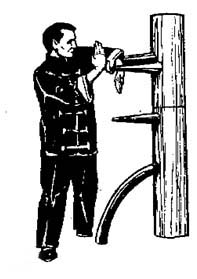
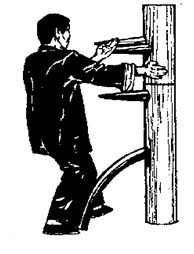
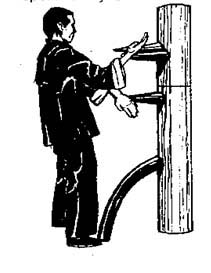
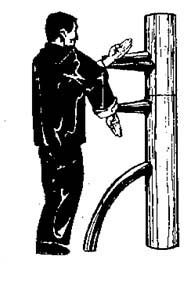
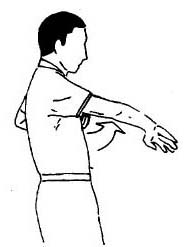
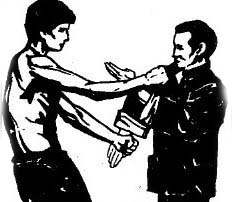
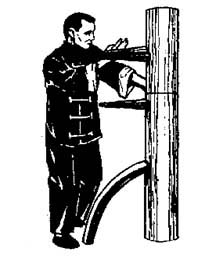
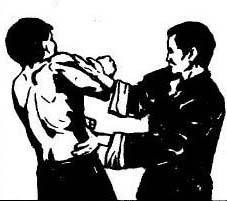
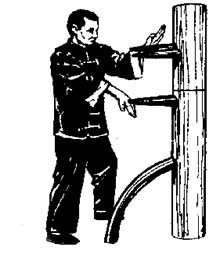
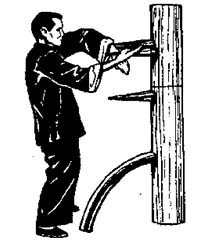
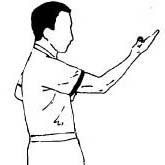
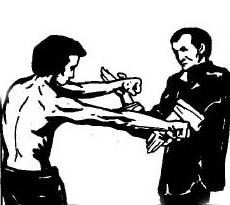
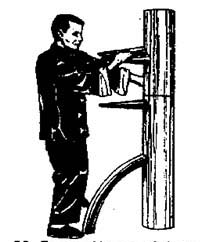
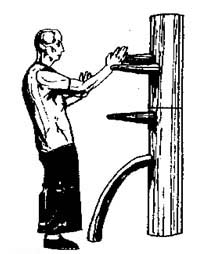
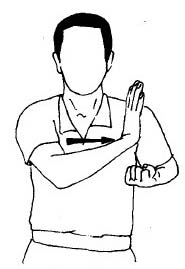
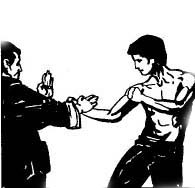
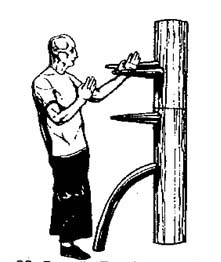
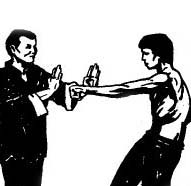
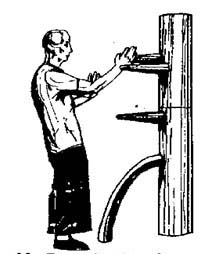
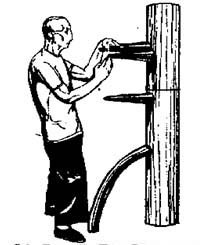
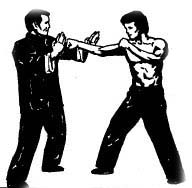
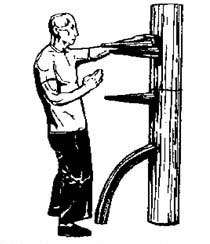
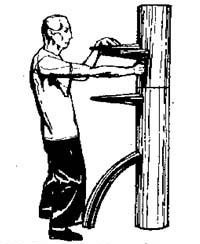
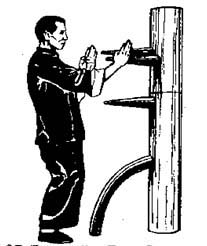
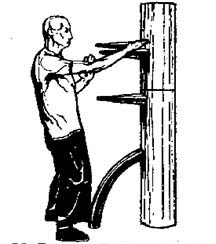
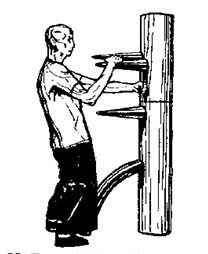
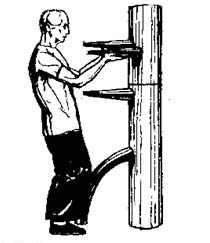
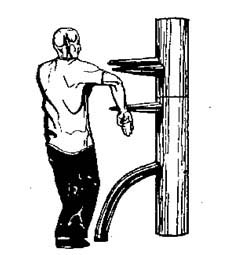
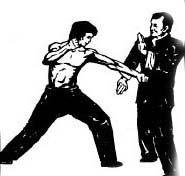
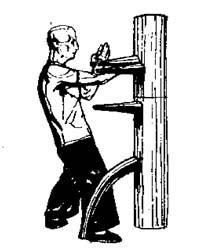
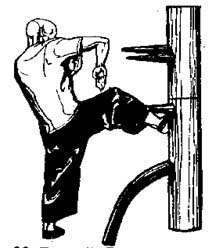
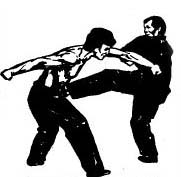
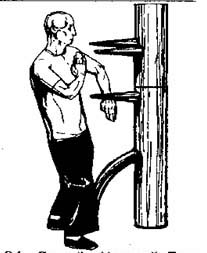
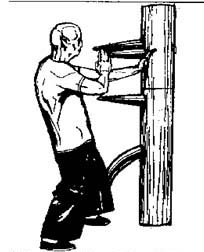
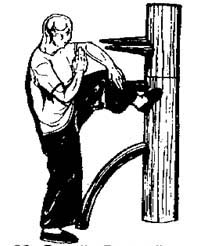
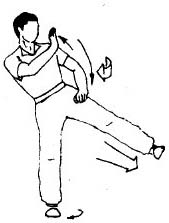
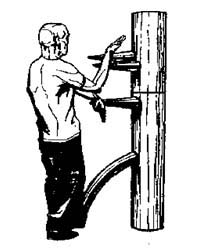
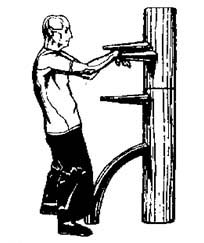
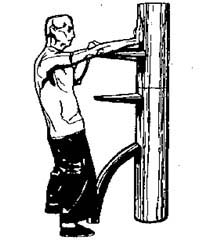
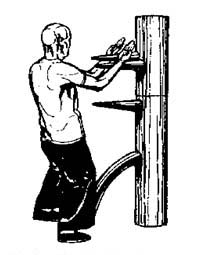
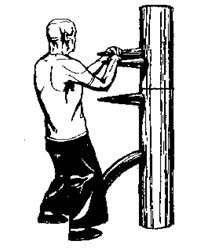
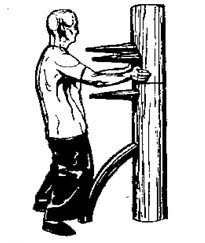
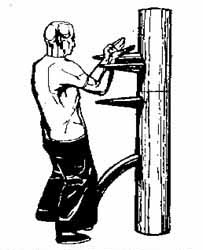
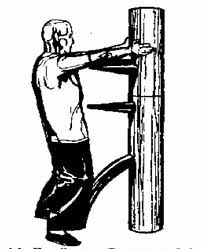
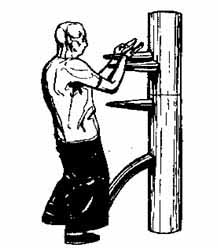
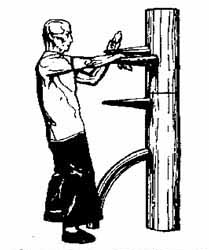
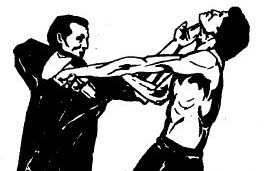
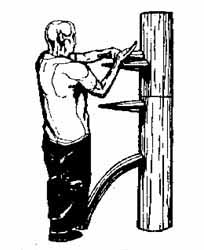
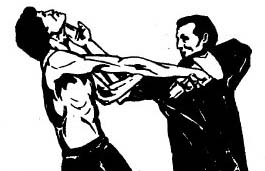
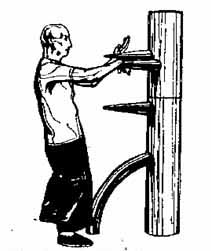
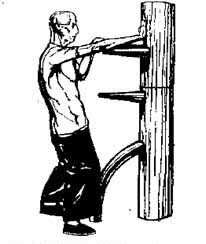
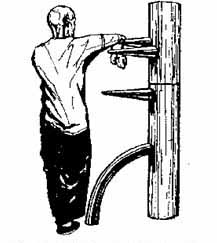
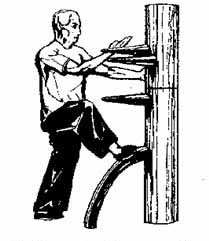
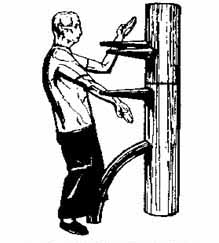
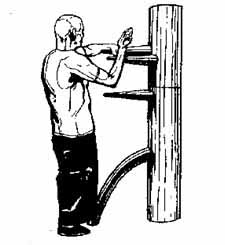
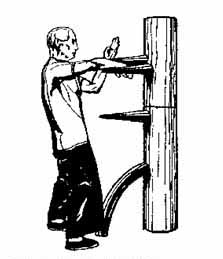
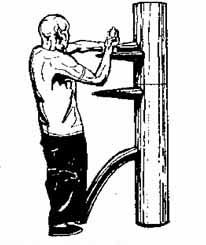
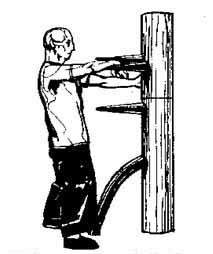
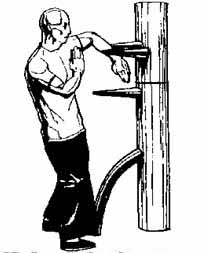
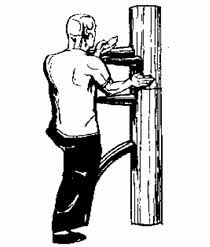
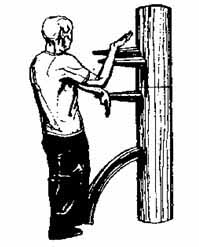
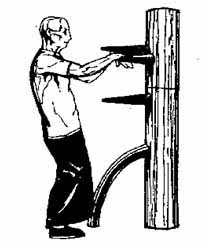
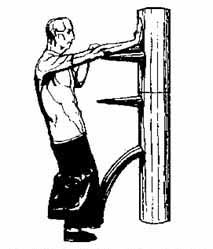
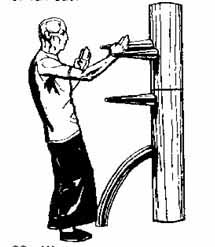
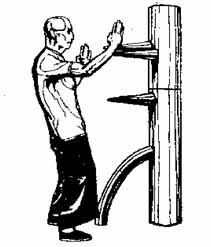
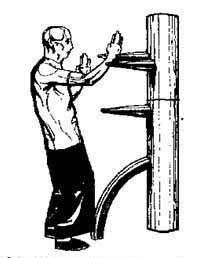
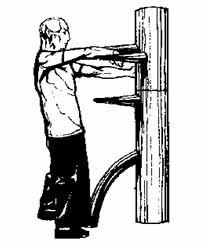
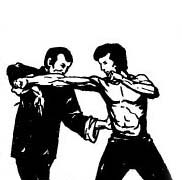
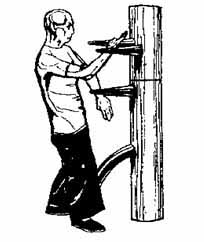
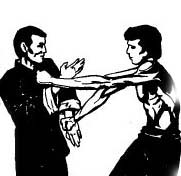
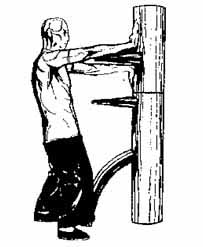
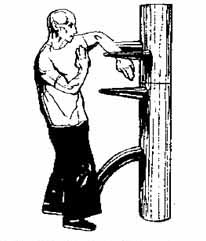
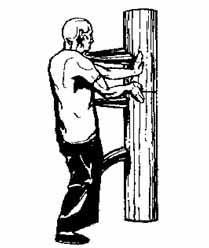
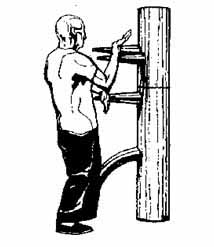
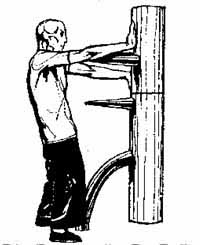
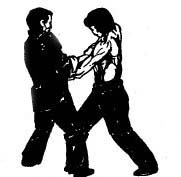
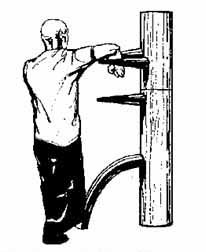
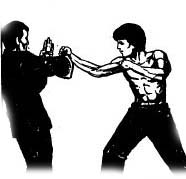
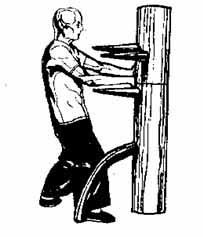
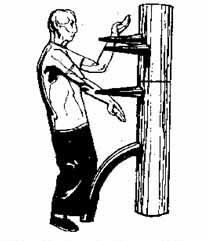
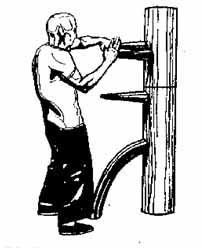
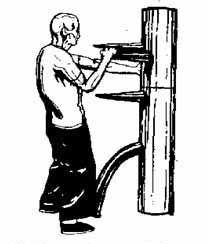
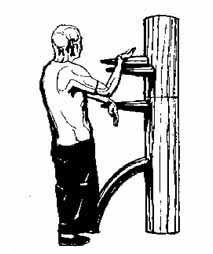
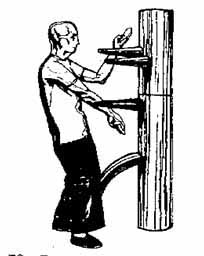
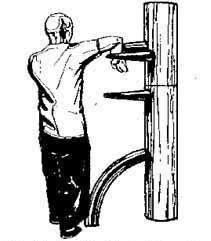
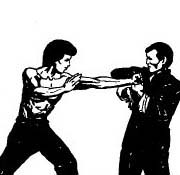
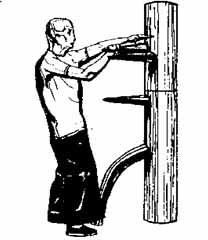
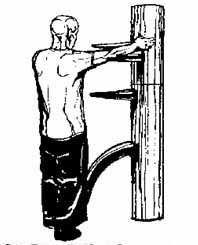
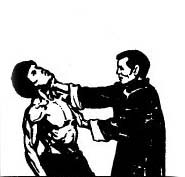
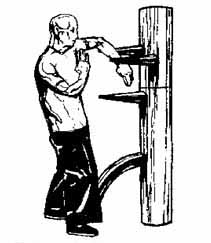
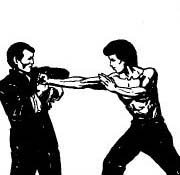
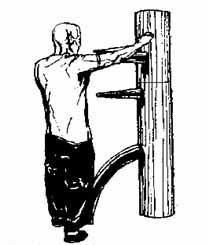
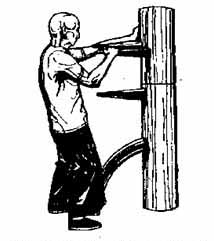
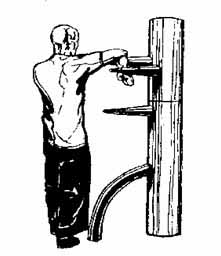
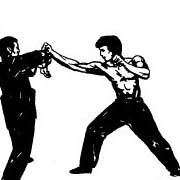
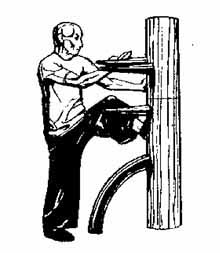
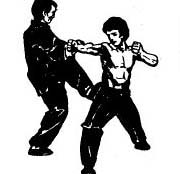
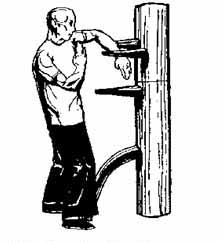
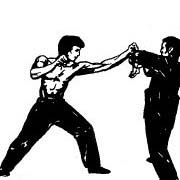
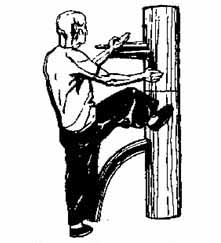
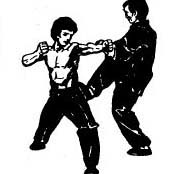
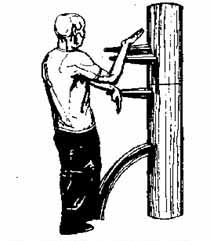
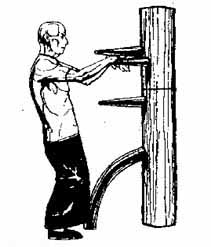
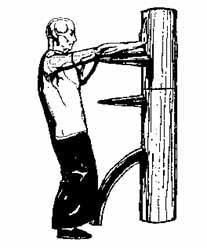
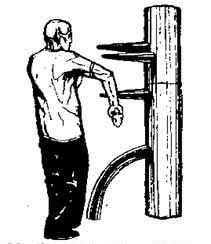
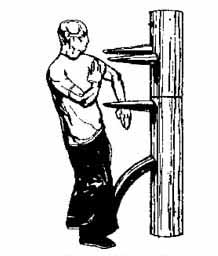
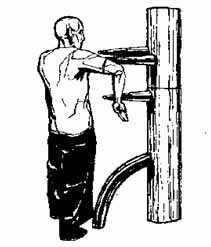
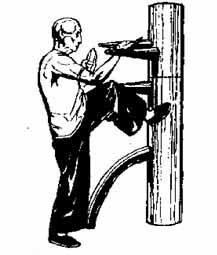
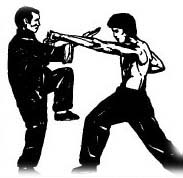
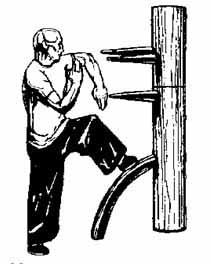
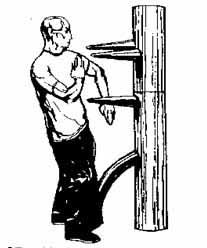
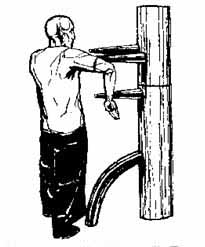
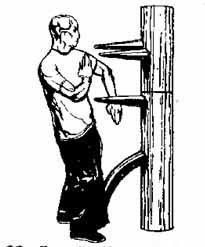
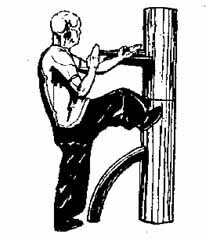
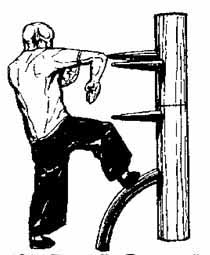
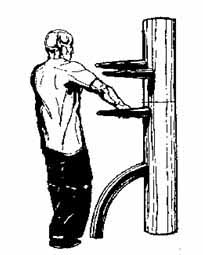
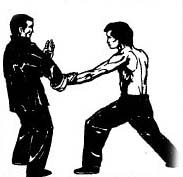
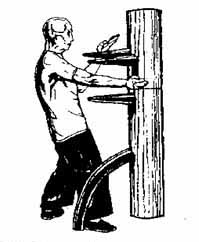
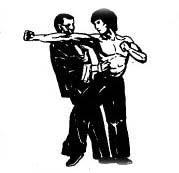
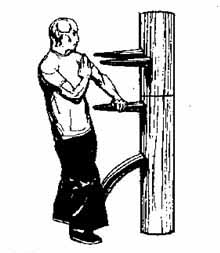
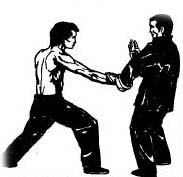
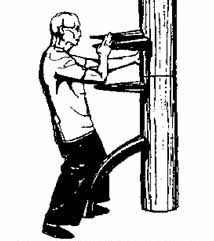
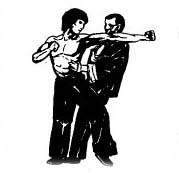
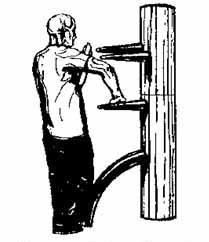
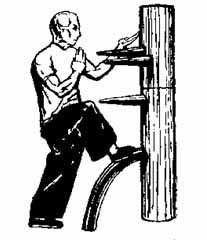
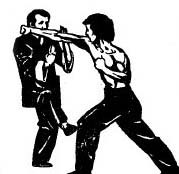
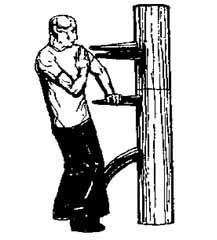
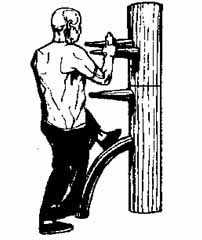
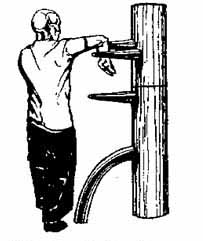
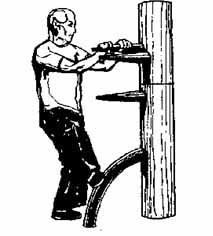
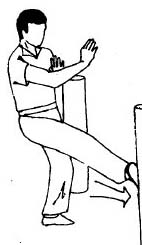
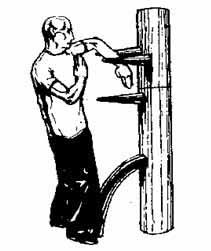
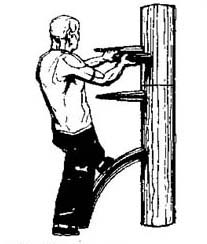
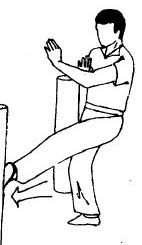
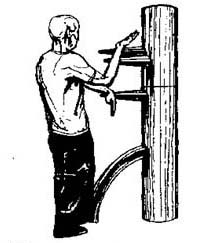
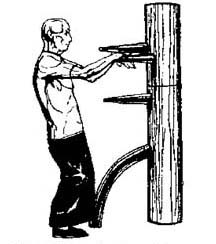
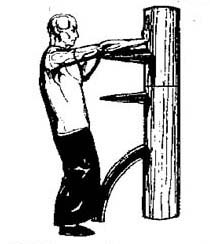
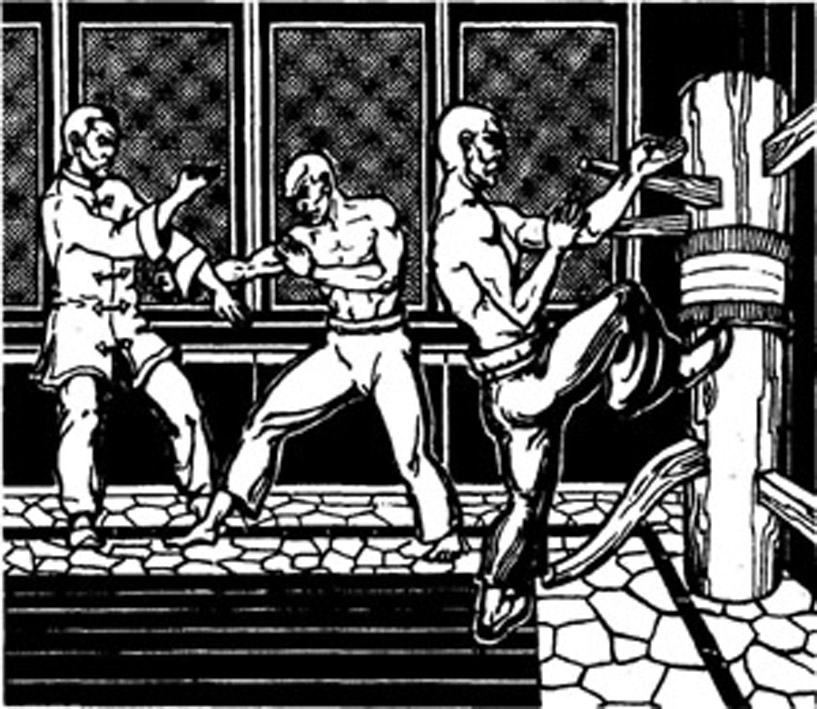
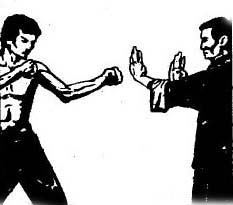
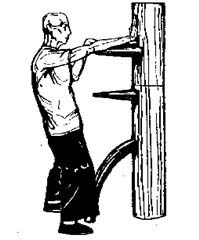
The Dummy - a versatile design, the system of life and knowledge generated of nowhere. The story of the dummy requires a separate investigation and treatment of the ancient treatises, and primary sources. But enough evidence to suggest that the history of a WD the longer of Wing Chun history as an independent style. Will there be a dummy to before create a Wing Chun or Wing Chun has appeared before - difficult to resolve the problem, which requires special studies.
|
| SECTION 1 | ||
![]() |
![]() |
![]() |
![]() |
![]() |
![]() |
![]() |
![]() |
![]() |
![]() |
![]() ![]() |
![]() |
![]() |
![]() |
![]() |
![]() |
![]() ![]() |
![]() |
![]() |
![]() ![]() |
![]() |
![]() |
![]() |
![]() |
![]() |
![]() |
![]() |
![]() |
![]() |
![]() |
| SECTION 2 | ||
![]() |
![]() |
![]() |
![]() |
![]() |
![]() |
![]() |
![]() |
![]() |
![]() |
![]() ![]() |
![]() |
![]() |
![]() |
![]() |
![]() |
![]() ![]() |
![]() |
![]() |
![]() ![]() |
![]() |
![]() |
![]() |
![]() |
![]() |
![]() |
![]() |
![]() |
![]() |
![]() |
| SECTION 3 | ||
![]() |
![]() |
![]() |
![]() |
![]() |
![]() |
![]() |
![]() |
![]() |
![]() |
![]() |
![]() |
![]() |
![]() |
![]() |
![]() |
![]() ![]() |
![]() |
![]() |
![]() |
![]() |
![]() |
![]() |
![]() |
![]() |
![]() ![]() |
![]() |
![]() |
||
| SECTION 4 | ||
![]() |
![]() |
![]() |
![]() |
![]() |
![]() |
![]() |
![]() |
![]() |
![]() |
![]() |
![]() |
![]() |
![]() ![]() |
![]() |
![]() |
![]() |
![]() |
![]() |
![]() |
![]() |
![]() |
![]() |
![]() |
![]() |
![]() |
![]() |
| SECTION 5 | ||
![]() |
![]() ![]() |
![]() |
![]() |
![]() ![]() |
![]() |
![]() |
![]() ![]() |
![]() |
![]() |
![]() ![]() |
![]() |
![]() |
![]() ![]() |
![]() |
![]() |
![]() ![]() |
![]() |
![]() |
![]() |
![]() |
![]() |
![]() |
![]() |
![]() |
![]() |
![]() |
![]() |
![]() |
![]() |
![]() |
![]() |
![]() |
![]() |
![]() |
![]() |
![]() |
![]() |
![]() |
![]() |
![]() |
![]() |
![]() |
![]() |
![]() |
![]() |
![]() |
![]() |
![]() |
![]() ![]() |
![]() |
![]() |
![]() |
![]() |
![]() |
![]() ![]() |
![]() |
![]() |
![]() |
![]() |
![]() |
![]() |
![]() |
![]() |
![]() |
![]() |
| SECTION 6 | ||
![]() |
![]() |
![]() |
![]() |
![]() |
![]() |
![]() |
![]()
|
![]() |
![]() |
![]() |
![]() |
![]() |
![]() |
![]() |
![]() |
![]() ![]() |
![]() |
![]() |
![]() |
![]() |
![]() |
![]() ![]()
|
![]() |
![]() |
![]() |
![]() |
![]() |
![]() ![]()
|
![]() |
![]() |
![]() |
![]() |
![]() |
![]() ![]()
|
![]() |
![]() |
![]() |
![]() |
![]() |
![]() |
![]() |
![]() |
![]() |
![]() |
| SECTION 7 | ||
![]() |
![]() |
![]() |
![]() |
![]() |
![]() |
![]() |
![]() |
![]() |
![]() |
![]() ![]() |
![]() |
![]() |
![]() |
![]() |
![]() |
![]() |
![]() |
![]() |
![]() ![]() |
![]() |
![]() |
![]() |
![]() |
![]() |
![]() |
![]() |
![]() |
![]() ![]() |
![]() |
![]() |
![]() |
![]() |
![]() |
![]() ![]() |
![]() |
![]() |
![]() |
![]() |
![]() |
![]() |
![]() |
![]() |
![]() |
![]() |
| SECTION 8 | ||
![]() |
![]() |
![]() |
![]() |
![]() |
![]() |
![]() |
![]() |
![]() |
![]() |
![]() ![]() |
![]() |
![]() |
![]() |
![]() |
![]() |
![]() |
![]() |
![]() |
![]() |
![]() |
![]() |
![]() |
![]() |
![]() |
![]() ![]() |
![]() |
![]() |
![]() |
![]() |
![]() |
![]() |
![]() |
![]() |
![]() ![]() |
![]() |
![]() |
![]() |
![]() |
![]() |
![]() ![]() |
![]() |
![]() |
![]() |
![]() |
![]() |
![]() ![]() |
![]() |
![]() |
![]() |
![]() |
![]() |
![]() ![]() |
![]() |
![]() |
![]() |
![]() |
![]() |
![]() ![]() |
![]() |
![]() |
![]() |
![]() |
![]() |
![]() |
![]() |
![]() |
![]() |
![]() |
![]() |
![]() |
![]() |
![]() |
![]() |
![]() |
Speed up to clear the crossing quickly B) Slow down and be prepared to stop C) Sound your horn to alert the pedestrian D) Change lanes to avoid the pedestrian
The Basic Theory Driving Test (BTDT) is a crucial assessment for individuals seeking to obtain a driving license in Singapore. The test evaluates a candidate's understanding of road safety, traffic rules, and regulations. To help aspiring drivers prepare for the test, we have compiled a comprehensive collection of 480 questions and answers in a convenient PDF format.
B) 2 seconds
Yield to oncoming traffic B) Stop and give way to all traffic C) Turn left or right D) Go straight ahead
What is the minimum safe following distance from the vehicle in front? Speed up to clear the crossing quickly B)
The Singapore Basic Theory Driving Test 480 questions and answers PDF document is an invaluable resource for individuals seeking to obtain a driving license in Singapore. With its comprehensive coverage, convenient format, and self-assessment features, this document is an essential tool for aspiring drivers to prepare for the BTDT and become safe and responsible drivers on Singapore's roads.
What does a red octagonal sign with the word "STOP" mean? B) 2 seconds Yield to oncoming traffic B)
B) Slow down and be prepared to stop
Here are a few sample questions and answers from the PDF document: What does a red octagonal sign with the word "STOP" mean
1 second B) 2 seconds C) 3 seconds D) 4 seconds
B) Stop and give way to all traffic