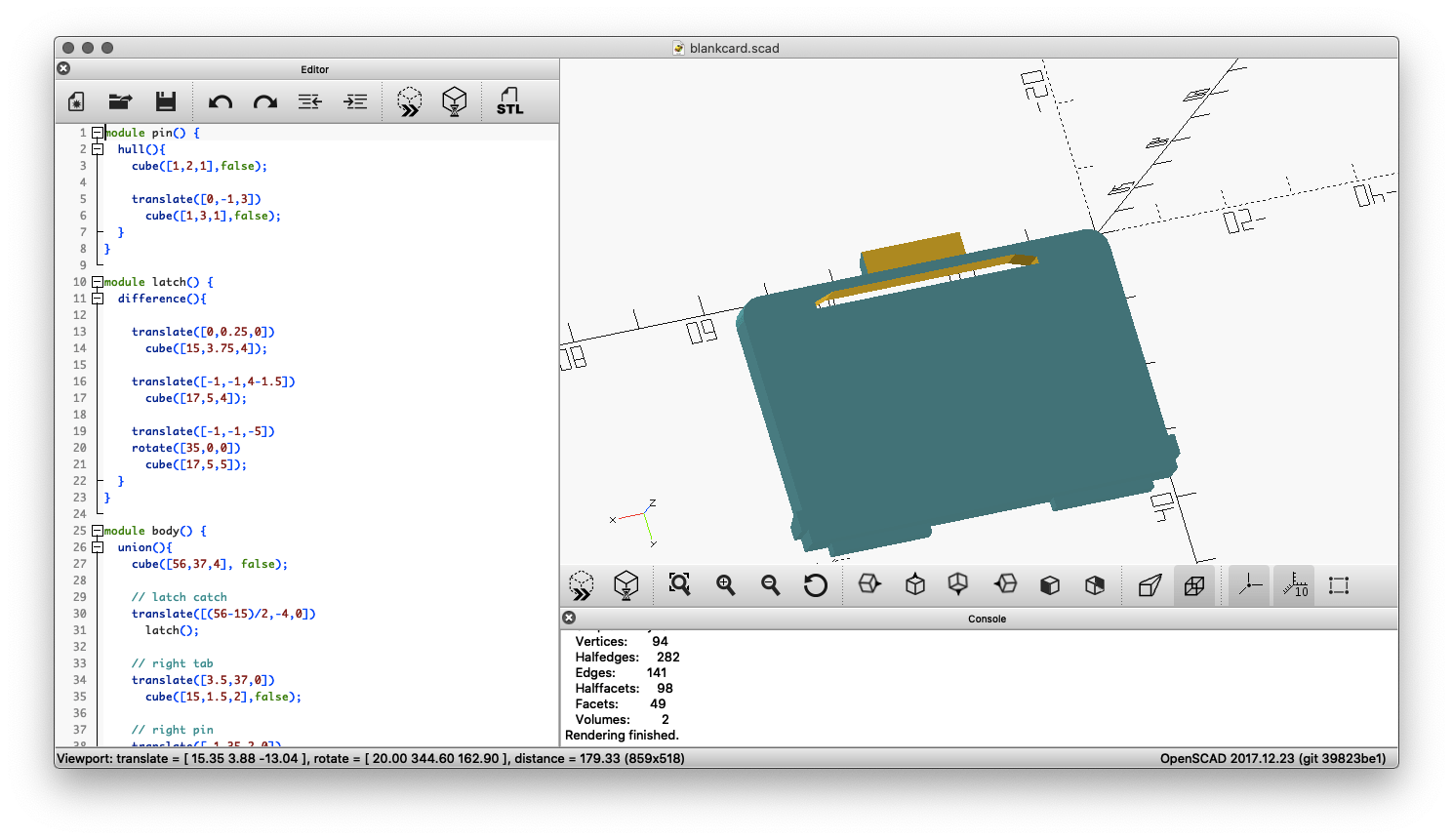
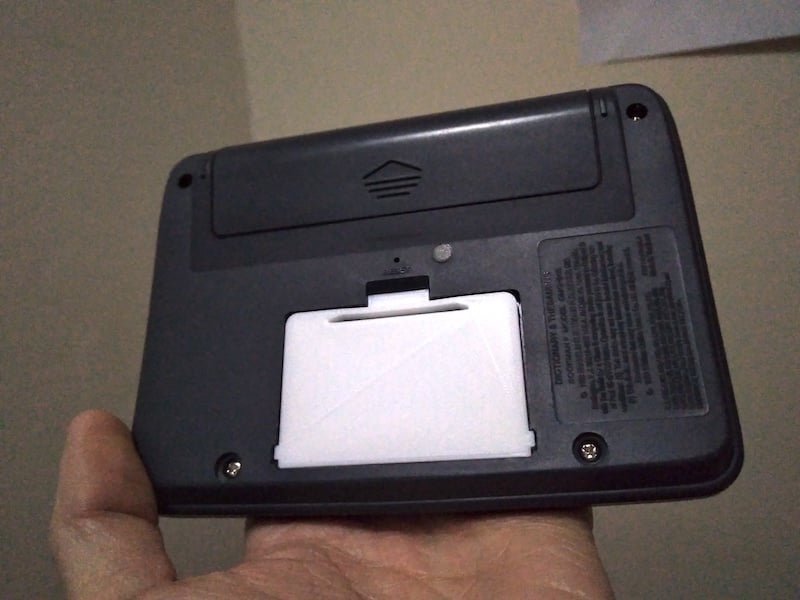

blankcard.stl for 3D printingAbstract This paper examines designing and implementing a Magisk module to enable safe CPU/GPU overclocking on Android devices. It covers background on overclocking and Android kernel interfaces, module architecture, methods for adjusting clock frequencies and voltages, user-space controls, safety features, testing methodology, performance and power trade-offs, security and compatibility considerations, and recommendations for responsible use. 1. Introduction Overclocking boosts processor clock frequencies beyond stock settings to improve performance. On Android, kernel-level controls expose CPU clock (freqs, governors), voltage control (if available), and thermal/power limits. Magisk modules provide a systemless way to modify runtime behavior without changing the system partition, making them suitable for injecting overclocking functionality. 2. Background
Reach us via email if you can help.
Many thanks to our supporters and contributors who have joined us in this pursuit of preserving this segment of digital history:
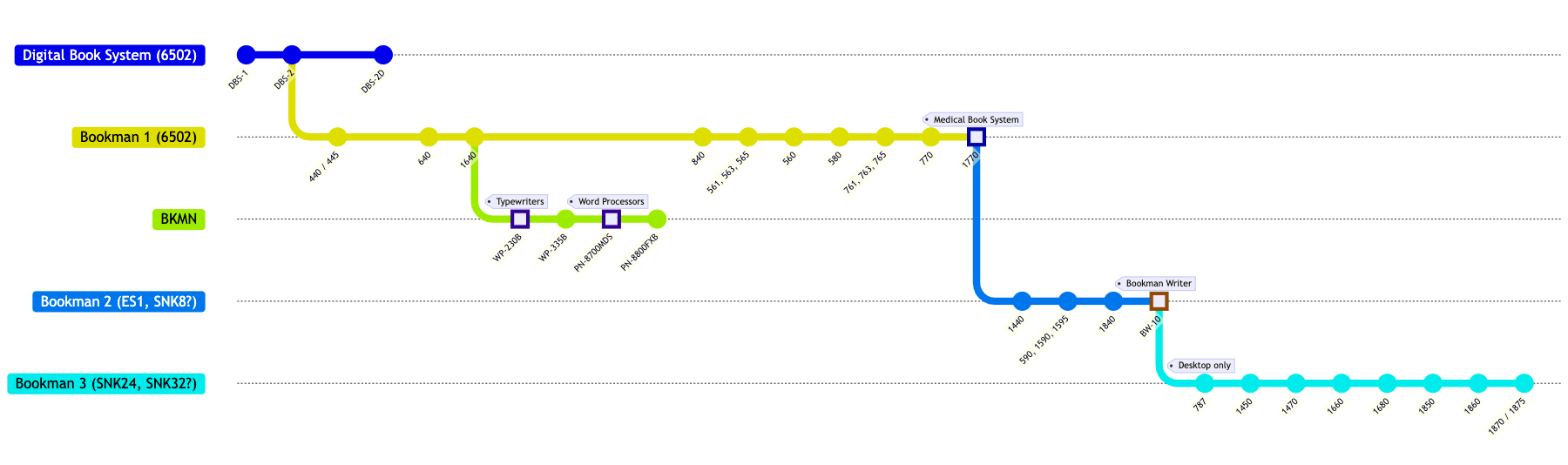
Bookman system compatibility chart coming soon.
This 3D printable card blank will ensure your Bookman cartridge contact strip stays clean and sits flush with the rest of the device by filling the card slot.
|
|
|
Download blankcard.stl for 3D printing |
||
This tool is used to create replacement labels for Franklin BOOKMAN cartridges that have faded or otherwise deteriorated labelling. The generated labels are downloadable as SVG files and can be printed at 100% scale for a 1:1 reproduction size suitable for application on worn ROM cards.
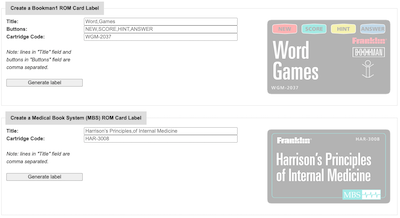
See the source code for this tool here.
You can find scans of various Franklin promotional / catalog leaflets below. Items listed in chronological order.
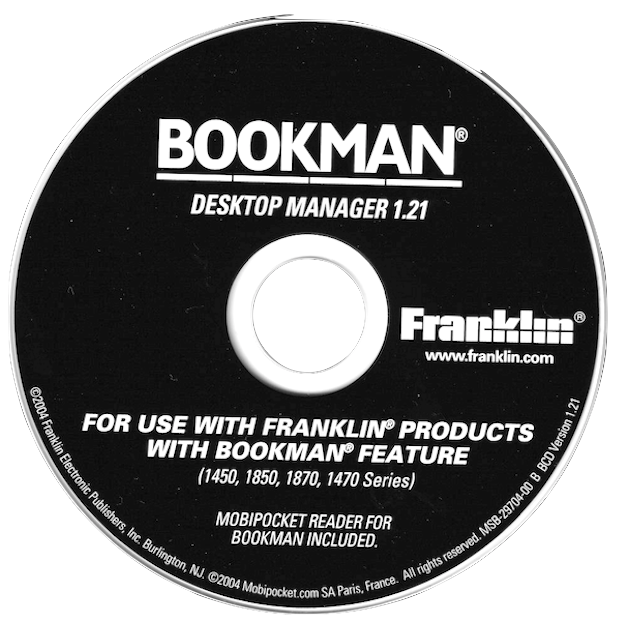
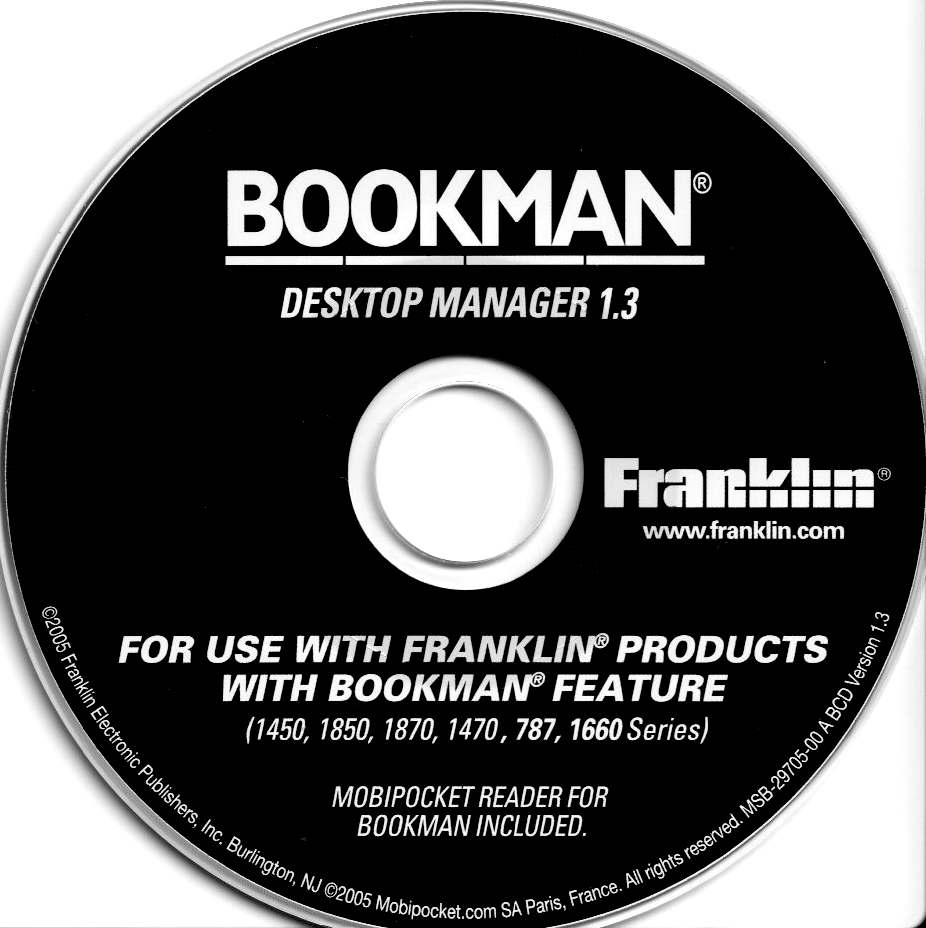
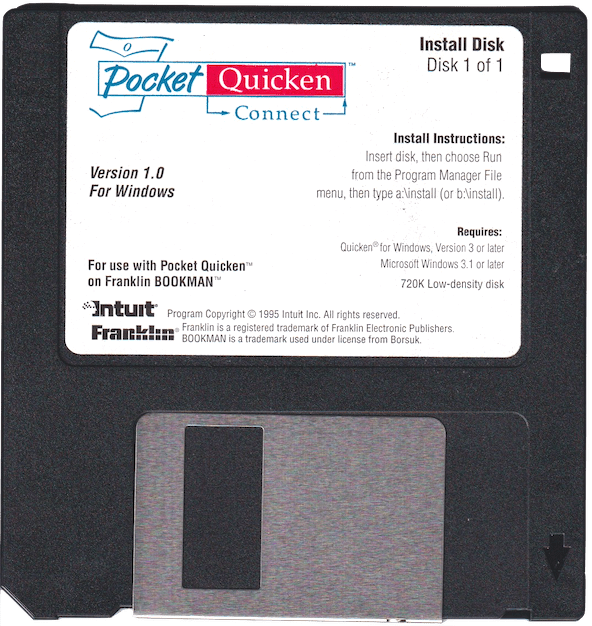
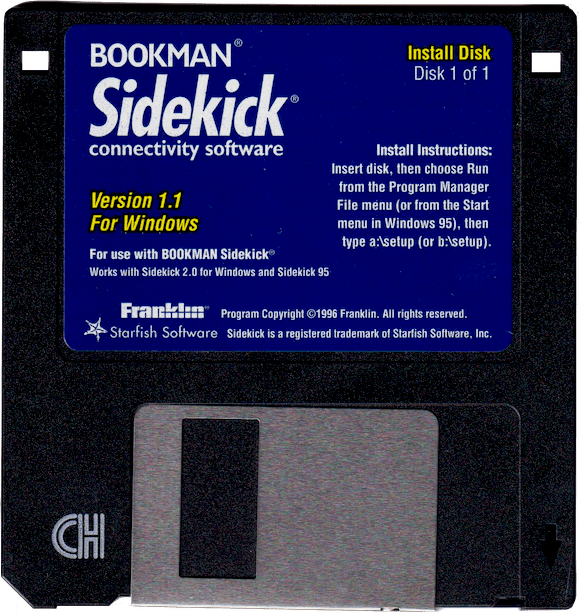
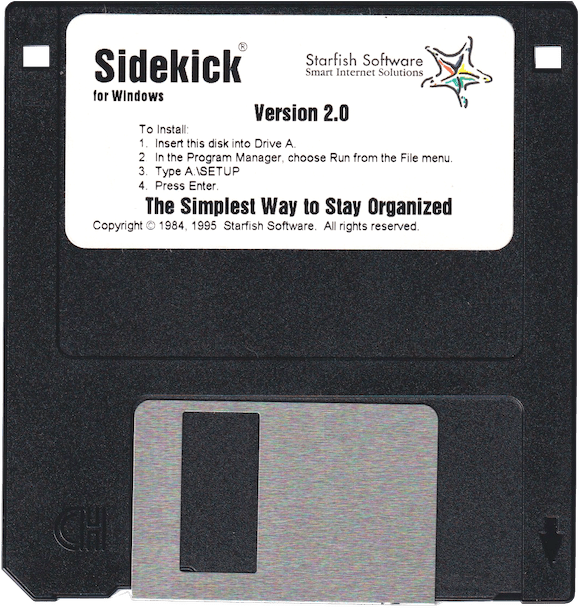
This is a collection of disk images and files of related software that came bundled as part of various Franklin DBS / Bookman devices. Click to download these files.

|

|
|
|
|
|
|
FEP received its own official number in the USB vendor code list after submitting it to the USB consortium: 0x09b2 (hex) or 2482 (dec). The submission was related to use of USB for the eBookman device.
CK2FRK
Abstract This paper examines designing and implementing a Magisk module to enable safe CPU/GPU overclocking on Android devices. It covers background on overclocking and Android kernel interfaces, module architecture, methods for adjusting clock frequencies and voltages, user-space controls, safety features, testing methodology, performance and power trade-offs, security and compatibility considerations, and recommendations for responsible use. 1. Introduction Overclocking boosts processor clock frequencies beyond stock settings to improve performance. On Android, kernel-level controls expose CPU clock (freqs, governors), voltage control (if available), and thermal/power limits. Magisk modules provide a systemless way to modify runtime behavior without changing the system partition, making them suitable for injecting overclocking functionality. 2. Background
Did you find this topic interesting? Check out other projects like this one!