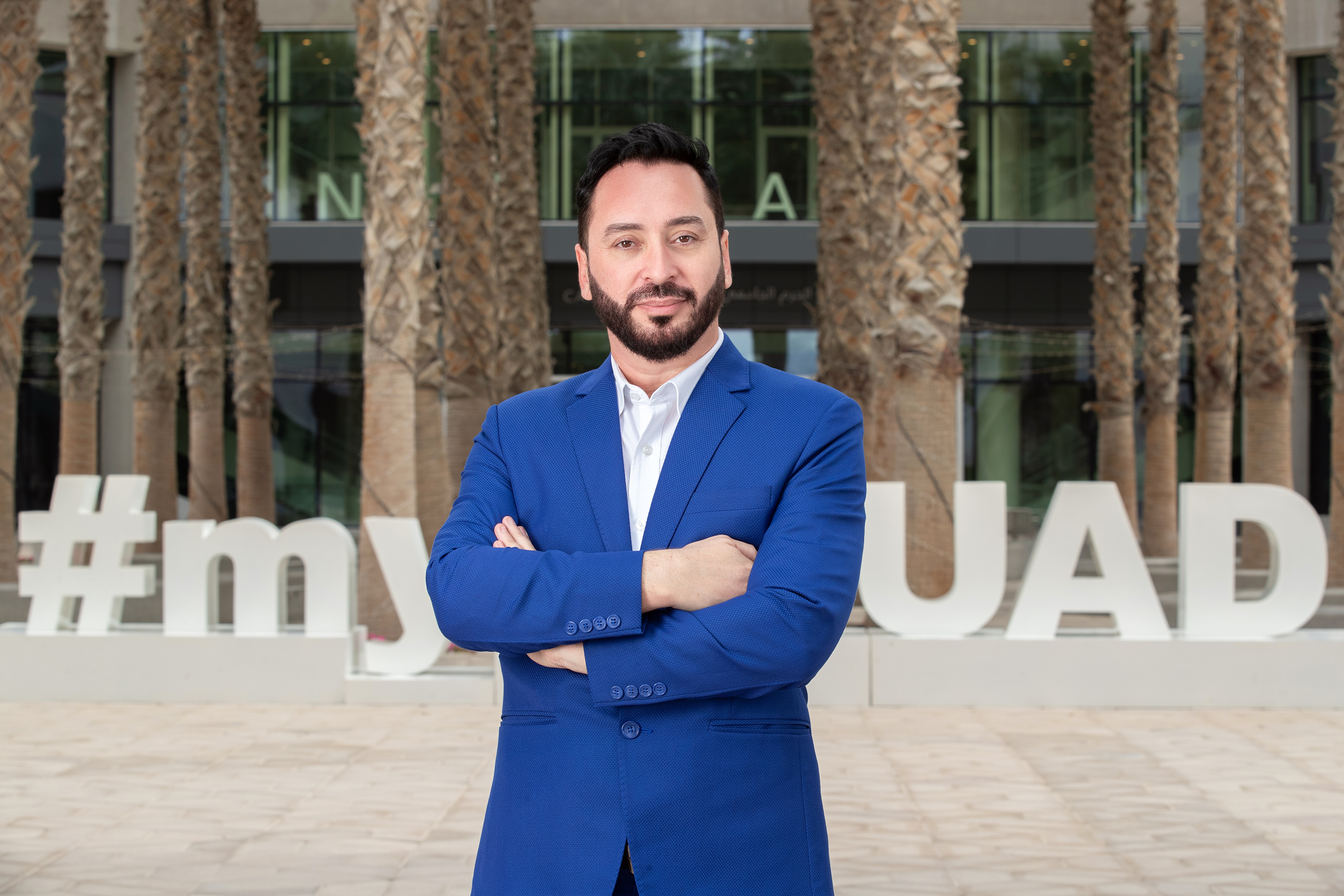
Exploring the intersection of materials, chemistry, and design.
I should address the possible concerns step by step. First, verify if the resource is legitimate. If it's a joke or a scam, warn them. Then, explain the risks of downloading large files from unverified sources, like malware or legal issues. Maybe suggest safer alternatives for accessing content. Also, the technical aspect: torrent clients typically handle .torrent files, not .p2zip. So maybe the user is confused about the file format. They might need to use a torrent client, create a torrent file, or join a network. Explain that process but remind them of the legal implications. Also, 66 GB is huge; maybe they need a way to split files or use cloud storage. But again, need to ensure compliance with policies.
The user might be looking for a torrent download guide for a large file from a site they found. But wait, downloading from torrent sites can be risky. We don't want to promote or guide users to engage in illegal activities. Need to check if "urmomnerdy" is a legitimate site. A quick check shows no results, so it might not be. Maybe the user heard this in a meme or joke. Also, the filename structure "p2zip" and the size could be parts of a multi-part archive. But again, need to be cautious.
In summary, the steps would be: 1. Check the legitimacy of the source. 2. Warn about legal and security risks. 3. If it's a technical question about the file format, explain how torrents work. 4. Offer legal alternatives. Since the user might be under a misunderstanding, provide guidance that doesn't violate policies and keeps them safe.
No upcoming events scheduled.
Principal Investigator, Professor of Chemistry
Panče Naumov leads the Smart Materials Lab and the Center for Smart Engineering Materials at NYUAD. His group is internationally recognized for pioneering crystal adaptronics and advancing adaptive molecular solids, with applications in sensing, robotics, optics, and energy systems.
Meet the TeamI should address the possible concerns step by step. First, verify if the resource is legitimate. If it's a joke or a scam, warn them. Then, explain the risks of downloading large files from unverified sources, like malware or legal issues. Maybe suggest safer alternatives for accessing content. Also, the technical aspect: torrent clients typically handle .torrent files, not .p2zip. So maybe the user is confused about the file format. They might need to use a torrent client, create a torrent file, or join a network. Explain that process but remind them of the legal implications. Also, 66 GB is huge; maybe they need a way to split files or use cloud storage. But again, need to ensure compliance with policies.
The user might be looking for a torrent download guide for a large file from a site they found. But wait, downloading from torrent sites can be risky. We don't want to promote or guide users to engage in illegal activities. Need to check if "urmomnerdy" is a legitimate site. A quick check shows no results, so it might not be. Maybe the user heard this in a meme or joke. Also, the filename structure "p2zip" and the size could be parts of a multi-part archive. But again, need to be cautious. download urmomnerdy p2zip 66178 mb hot
In summary, the steps would be: 1. Check the legitimacy of the source. 2. Warn about legal and security risks. 3. If it's a technical question about the file format, explain how torrents work. 4. Offer legal alternatives. Since the user might be under a misunderstanding, provide guidance that doesn't violate policies and keeps them safe. I should address the possible concerns step by step
We are proud that the Smart Materials Lab is the leading team in impactful chemistry research in the United Arab Emirates, with research output that, according to the Nature Index, accounts for 40‒60% of the total chemistry publications within the country, both in fractional count and weighed fractional count. The past and current research projects in the Smart Materials Lab have been sponsored by Abu Dhabi National Oil Company (ADNOC), Abu Dhabi Education Council (ADEC), Human Science Frontier Program Organization (HFSPO), and the UAE National Research Foundation (NRF), in addition to generous financial support from NYUAD and the NYU Abu Dhabi Institute. The members of the Smart Materials Lab work closely with NYUAD's Center for Smart Engineering Materials (CSEM).