





























New Update Live
Construction Simulator

Game Information

GET TO WORK.

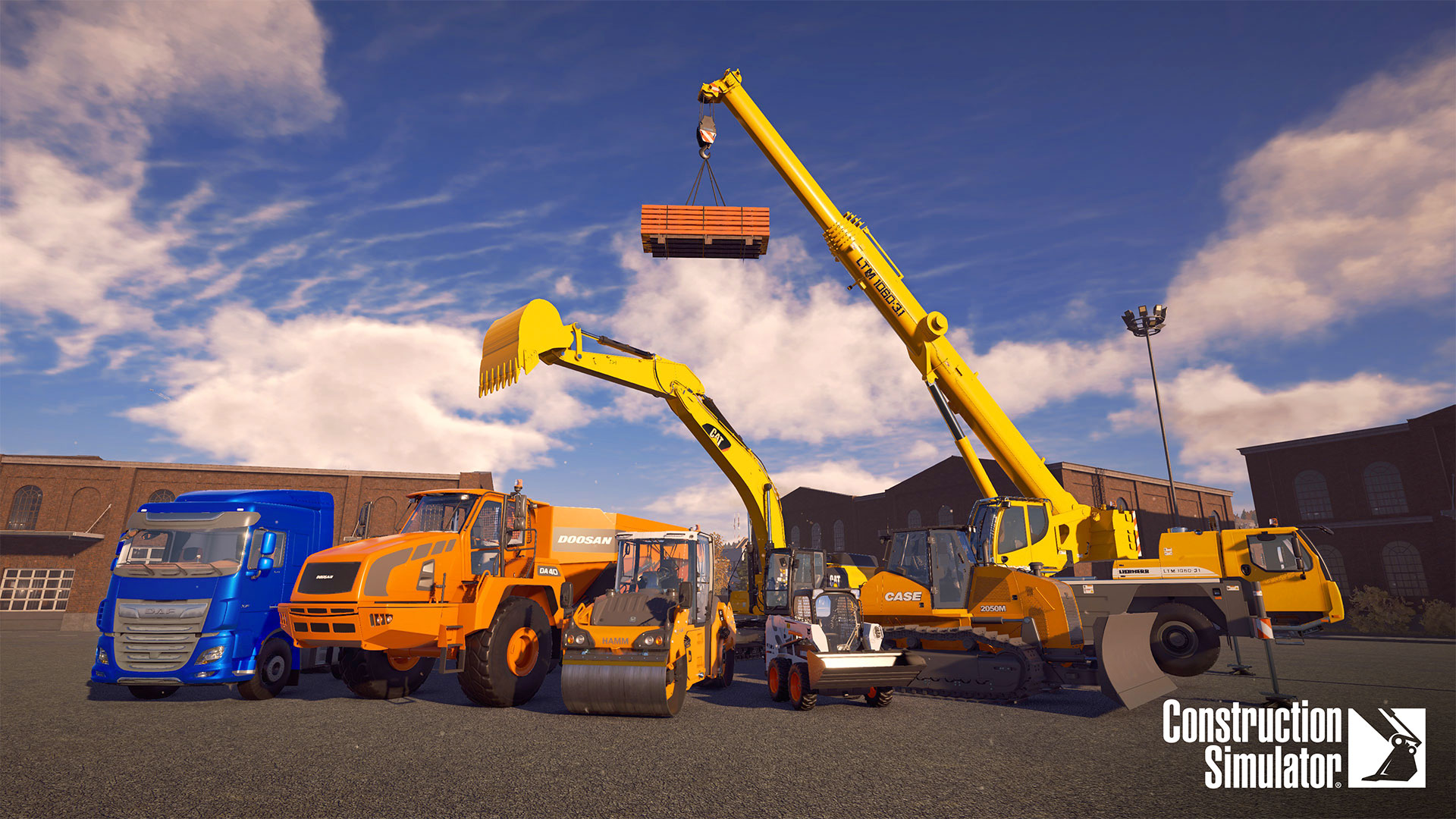
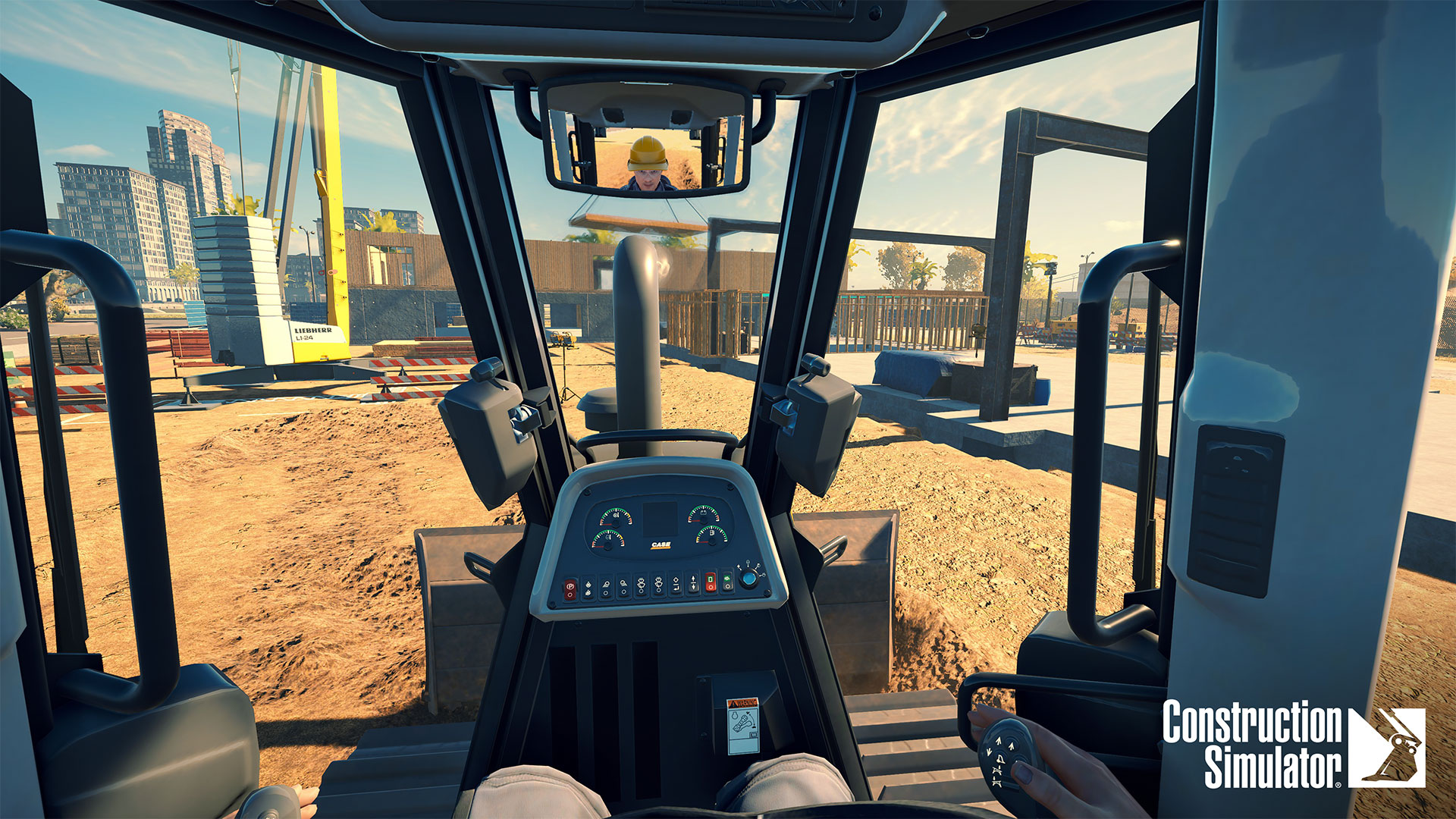
Construction Simulator is back – Bigger and better than ever! Get back to work with a vehicle fleet whose size will knock your socks off. Beyond brands like Caterpillar, CASE and BELL that are already familiar in the Construction Simulator series, you can get behind the wheel of new licensed machines from partners like DAF and Doosan – over 70 in total.

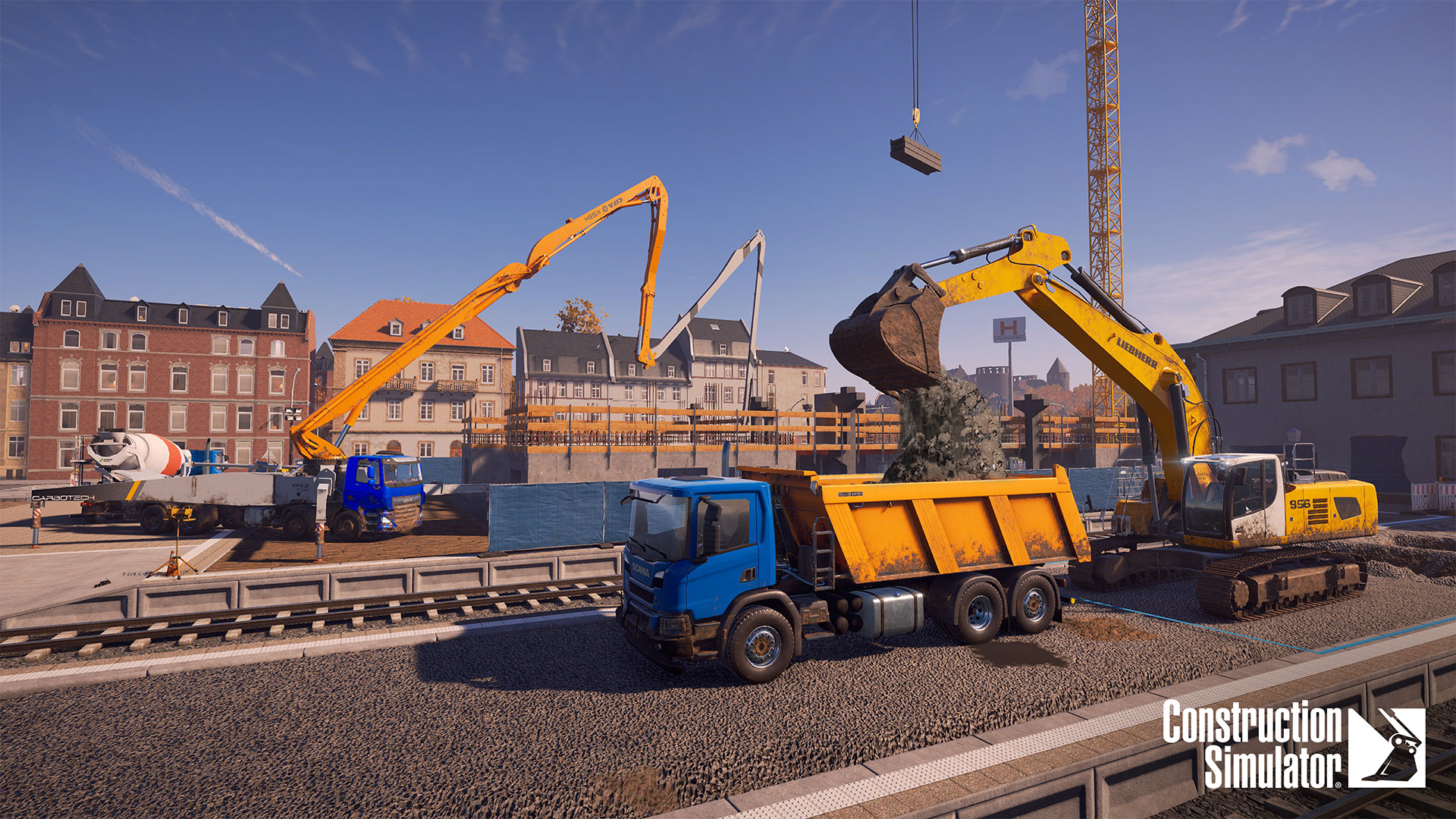
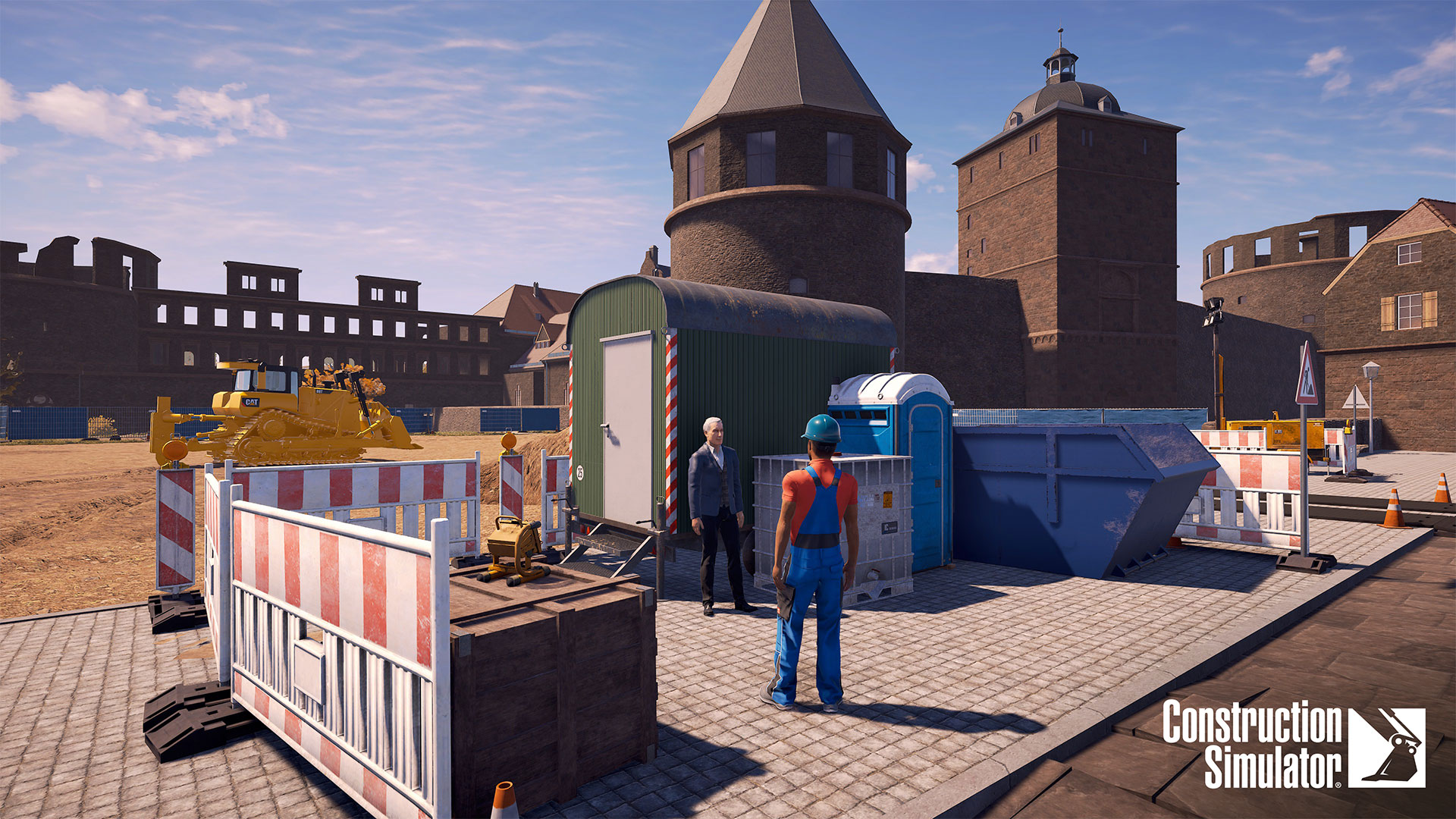
Build to your heart’s content on two maps, inspired by landscapes in the USA and Germany. Experience campaigns unique to the individual settings, featuring special challenges that you need to overcome with your growing construction company. Build it from the ground up with your mentor Hape and expand your fleet to take on more challenging contracts.

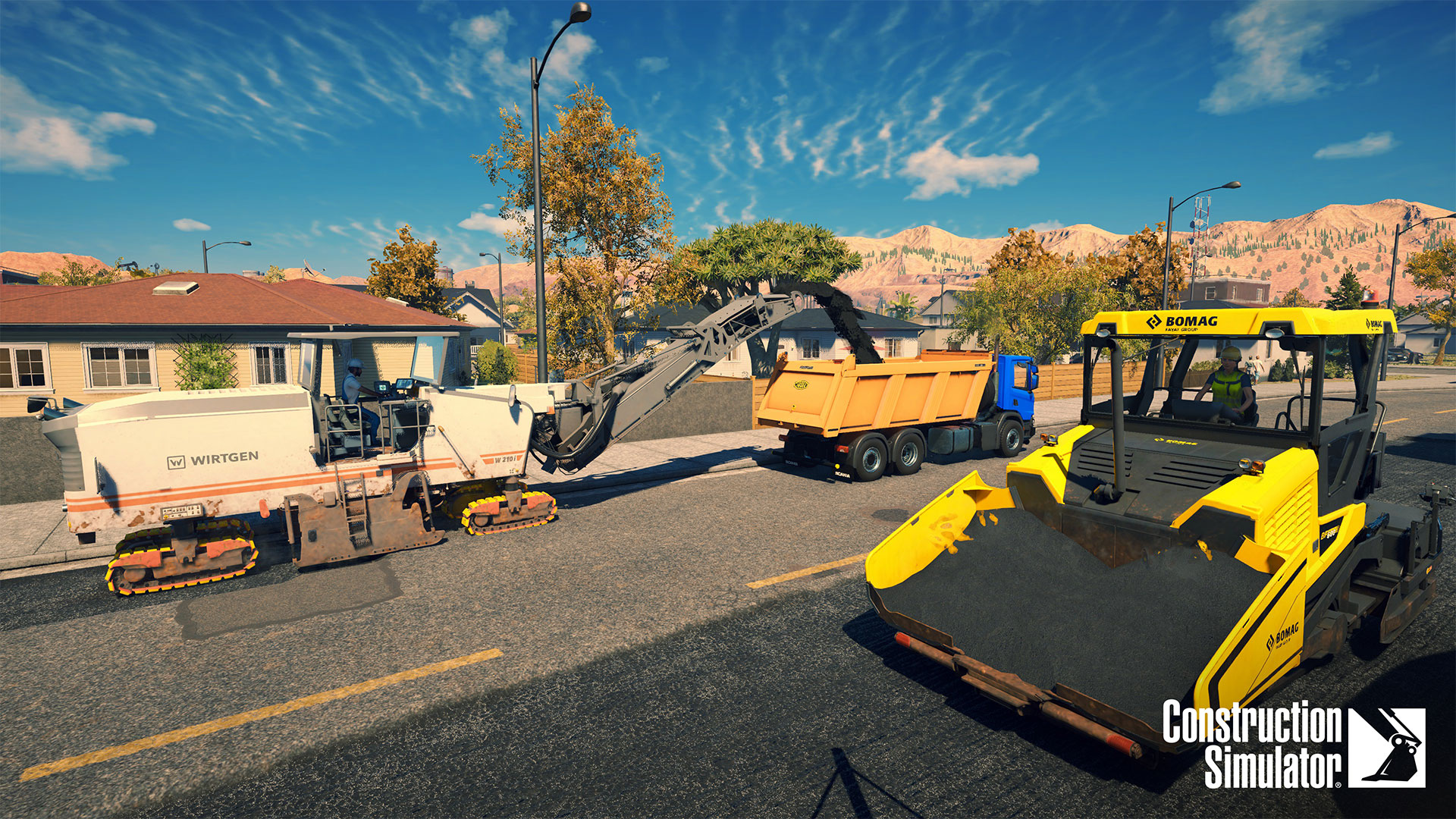
Of course, players can look forward to familiar brands and machines from previous installments of the franchise. All these officially licensed partners come with familiar machines and new ones – sporting improved looks: Atlas, BELL, Bobcat, Bomag, CASE, Caterpillar©, Kenworth, Liebherr, MAN, Mack Trucks, Meiller-Kipper, Palfinger, Still, and the Wirtgen Group.

Not only can players enjoy known license partners, but new ones that we’re proud to present. Nine new brands introduce lots of machines and vehicles and even include officially licensed personal protection equipment for your character!

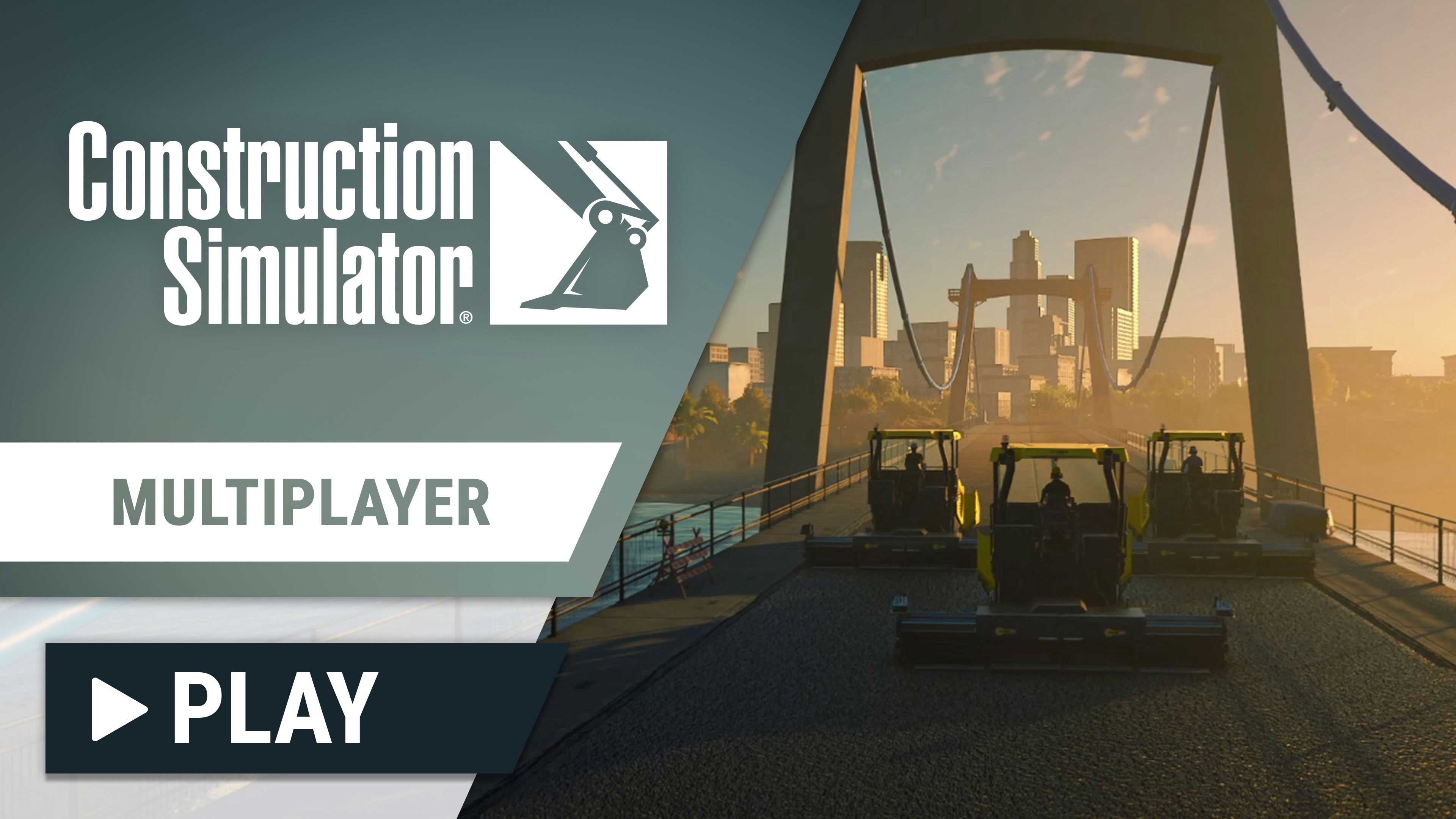
Look forward to over 80 machines from these license partners, all highly detailed to faithfully recreate their real-life counterparts. Not only can you grow your own construction empire, you can also invite your friends to join you. Coordinate and build together to finish contracts even more efficiently!

Features

  • 80+ machines, vehicles and attachments
  • One map inspired by the USA called Sunny Haven
  • Another map inspired by Germany named Friedenberg
  • Each of the two maps comes with its own campaign
  • Challenge yourself with over 90 contracts including road and bridge construction
  • 9 new license partner such as Doosan, DAF und Cifa
  • 25 world-famous brands in total
  • Licensed workwear from Strauss for the first time in the series
  • Dynamic day and night cycle
  • Improved vehicle and earthmoving system
  • Cooperative multiplayer for up to 4 players
  • Cross-Gen multiplayer on consoles
  • Smart Delivery on Xbox consoles and Free Upgrade from PS4 to PS5
  • Supports DualSense features on PlayStation®5
Screenshot Screenshot Screenshot Screenshot Screenshot Screenshot Screenshot Screenshot

Trailer

Atlas Bell Bobcat Bomag Cifa Case Cat DAF Doosan Kenworth Liebherr Mack Man Meiller Nooteboom Palfinger Scania Schwing Stetter Still Strauss Wacker Neuson Wirtgen

Newsletter

Subscribe to our newsletter to get the latest news of Construction Simulator right in your inbox. Please note that you have to confirm your subscription before receiving our newsletter.


I want to unsubscribe

Forum Masha Babko | Chan

Chan Forum Masha Babko never promised to fix anything in the world. Its modest, subversive labor was creating a space where the friction between people could generate things that might live: projects, friendships, anger transformed into action. The forum’s success was measured in small failures and unlikely continuities — the neighbor who finally spoke at a meeting because she’d practiced yelling in a workshop, the coder whose mapping tool turned into a city archive stored on a laptop and three people's memories, the rumor that became a policy brief because it had been repeated enough times with conviction.

Every evening closed with a ritual Masha insisted upon: the Collective Reading. A circle formed, people brought excerpted texts and found passages they were ashamed or proud to claim. Her instruction was simple: read the paragraph that has been living inside you. Some read political essays with the solemnity of confession; some read recipes or grocery lists and wept anyway. On the third night, someone read aloud a piece of raw code and the room listened as if it were scripture. The code was an algorithm that predicted whether a relationship would survive a move. It was ugly and tender and wrong, and the audience loved it for that. Chan Forum Masha Babko

It was not all performative intelligence. Real projects were hatched and incubated in corners with bad Wi-Fi. An urbanist left with a prototype for a community fridge; two strangers decided to start a publication that published only letters to neighbors; a coder promised to build a mapping tool that would remember street-level oral histories. The hardware in the ideas was modest, the ambition enormous. People took away mail addresses, usernames, and a dizzy optimism — the kind that can exist for a bubble of time before the practicalities return. Chan Forum Masha Babko never promised to fix

On the final night, Masha walked the room with a jar of black seeds — actual seeds, small and strange. She told them to plant these somewhere public if they wanted their arguments to have roots. “Ideas die if they have nowhere to sink,” she said. Someone asked what kind of seeds they were. She shrugged. “They’re seeds.” No one demanded more. The gesture was enough: a talisman of hope, a call to action that was literal and symbolic in equal measure. Every evening closed with a ritual Masha insisted

Chan Forum Masha Babko never promised to fix anything in the world. Its modest, subversive labor was creating a space where the friction between people could generate things that might live: projects, friendships, anger transformed into action. The forum’s success was measured in small failures and unlikely continuities — the neighbor who finally spoke at a meeting because she’d practiced yelling in a workshop, the coder whose mapping tool turned into a city archive stored on a laptop and three people's memories, the rumor that became a policy brief because it had been repeated enough times with conviction.

Every evening closed with a ritual Masha insisted upon: the Collective Reading. A circle formed, people brought excerpted texts and found passages they were ashamed or proud to claim. Her instruction was simple: read the paragraph that has been living inside you. Some read political essays with the solemnity of confession; some read recipes or grocery lists and wept anyway. On the third night, someone read aloud a piece of raw code and the room listened as if it were scripture. The code was an algorithm that predicted whether a relationship would survive a move. It was ugly and tender and wrong, and the audience loved it for that.

It was not all performative intelligence. Real projects were hatched and incubated in corners with bad Wi-Fi. An urbanist left with a prototype for a community fridge; two strangers decided to start a publication that published only letters to neighbors; a coder promised to build a mapping tool that would remember street-level oral histories. The hardware in the ideas was modest, the ambition enormous. People took away mail addresses, usernames, and a dizzy optimism — the kind that can exist for a bubble of time before the practicalities return.

On the final night, Masha walked the room with a jar of black seeds — actual seeds, small and strange. She told them to plant these somewhere public if they wanted their arguments to have roots. “Ideas die if they have nowhere to sink,” she said. Someone asked what kind of seeds they were. She shrugged. “They’re seeds.” No one demanded more. The gesture was enough: a talisman of hope, a call to action that was literal and symbolic in equal measure.