
Years later, people would call that year "the top of 2021"—a phrase that began as a file name and became a slogan for unexpected resurgence. Screenings moved from mills to reclaimed parks; some films found official festivals that quietly acknowledged them. The archive never became a museum. It remained messy and alive, a circuit of small rooms and rooftop projectors, an insistence that endings can be generous.

People in the mill began to weep. They hadn't expected that ending; they hadn't expected that surge of recognition—the feeling that a mirror in the dark had been turned toward their own lives. After the credits, Mira stood and, with a voice like a shutter, said, "I hid it because endings like this are dangerous. But some dangers are worth living."

As the reel unfurled, light spilled across concrete and dust. The story on screen was simple: a village divided by a wall, a girl who painted windows on the plaster so her neighbors would dream beyond concrete. The authorities in the film tried to flatten color into gray; the girl's painted windows multiplied until the wall itself collapsed.

They met under a banyan tree by the pier, where fishermen mended nets and the sea kept the city's secrets. Mira was smaller than Aarav expected, her hair threaded with silver, eyes steady as old film stock. She told him the movie had been banned—its director declared inconvenient, its prints seized. "They said the top of our world had to stay flat," she said. "No peaks. No endings that demanded change."

Word of the clandestine screening spread—not through links or viral posts, but through conversations on rooftops, during walks, over cups of chai. People began bringing their own lost reels to the Theatre of People: a documentary about factory strikes, a short film about a same-sex wedding, a satirical newsreel. The archive became a patchwork of forbidden endings and beginnings.

afilmywapcom 2021 top

Jeremy Willard is a Toronto-based freelance writer and editor. He's written for Fab Magazine, Daily Xtra and the Torontoist. He generally writes about the arts, local news and queer history (in History Boys, the Daily Xtra column that he shares with Michael Lyons).

Read More About:
Books, Culture, Theatre, Toronto, Arts

Keep Reading

afilmywapcom 2021 top

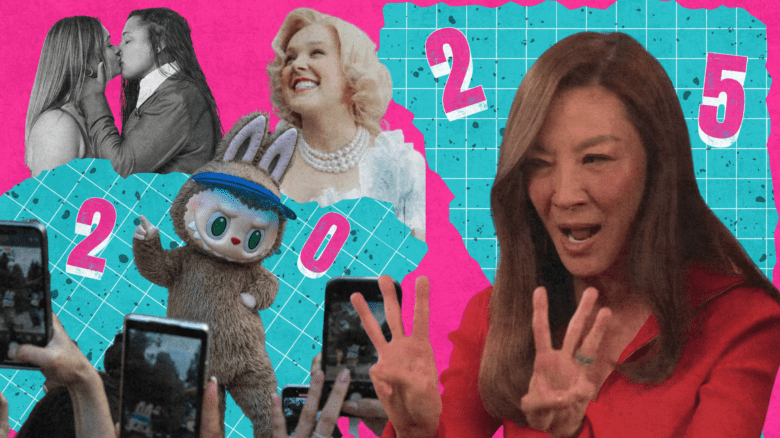
2025 was about finding solace in the human-made slop

AI’s got nothing on good quality dumb entertainment—and only people can make that
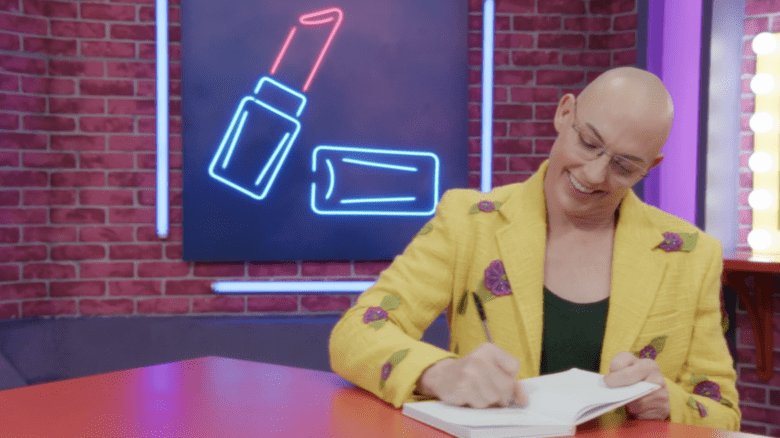
Alyssa Edwards out of drag writing in a notebook

‘Canada’s Drag Race’ Season 6, Episode 4 recap: Battle it out

A fan favourite maxi-challenge from “Canada vs. The World” makes its return
Two men embracing

‘LOVING II’ uncovers a century of forbidden gay love in photos

The new collection showcases men in love from the 1850s to the 1950s
afilmywapcom 2021 top

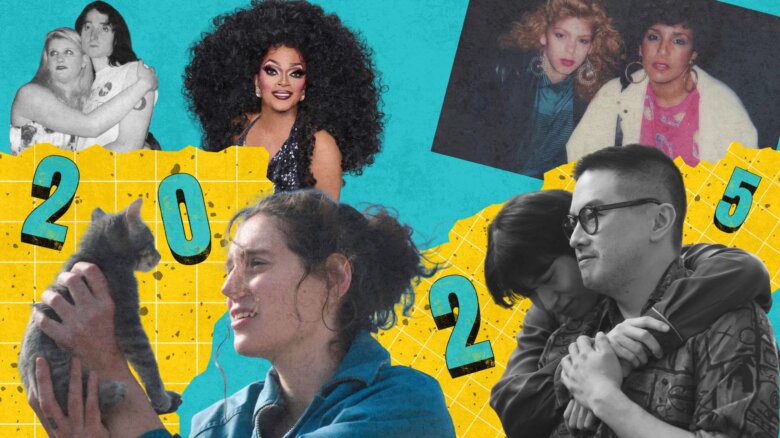
The best queer and trans movies of 2025

Films like “Sorry, Baby” and “The Wedding Banquet” made the year worth watching

Afilmywapcom — 2021 Top

Years later, people would call that year "the top of 2021"—a phrase that began as a file name and became a slogan for unexpected resurgence. Screenings moved from mills to reclaimed parks; some films found official festivals that quietly acknowledged them. The archive never became a museum. It remained messy and alive, a circuit of small rooms and rooftop projectors, an insistence that endings can be generous.

People in the mill began to weep. They hadn't expected that ending; they hadn't expected that surge of recognition—the feeling that a mirror in the dark had been turned toward their own lives. After the credits, Mira stood and, with a voice like a shutter, said, "I hid it because endings like this are dangerous. But some dangers are worth living." afilmywapcom 2021 top

As the reel unfurled, light spilled across concrete and dust. The story on screen was simple: a village divided by a wall, a girl who painted windows on the plaster so her neighbors would dream beyond concrete. The authorities in the film tried to flatten color into gray; the girl's painted windows multiplied until the wall itself collapsed. Years later, people would call that year "the

They met under a banyan tree by the pier, where fishermen mended nets and the sea kept the city's secrets. Mira was smaller than Aarav expected, her hair threaded with silver, eyes steady as old film stock. She told him the movie had been banned—its director declared inconvenient, its prints seized. "They said the top of our world had to stay flat," she said. "No peaks. No endings that demanded change." It remained messy and alive, a circuit of

Word of the clandestine screening spread—not through links or viral posts, but through conversations on rooftops, during walks, over cups of chai. People began bringing their own lost reels to the Theatre of People: a documentary about factory strikes, a short film about a same-sex wedding, a satirical newsreel. The archive became a patchwork of forbidden endings and beginnings.